
Most leadership development focuses on the wrong end of the problem. It measures behavior, adjusts strategy, optimizes communication. All useful. All downstream.
The real lever is imagination. Not as a motivational concept, but as a precise, trainable faculty that determines every assumption a leader holds, every decision they make, and ultimately every result their organization produces.
Neville Goddard taught this for four decades. The inner state of consciousness a leader habitually occupies is not separate from their business outcomes. It is the cause of them. What you persistently assume to be true about your company, your team, and your own capacity is what your organization becomes. Not eventually. Consistently.
But here is the part most people miss. Imagination is not a technique you try once. It is a practice. A pianist who takes a few lessons will hit bum notes. Only through consistent return to the same inner discipline does the faculty develop enough to produce concerts. Executive ‘Imagination Audits’ exist to ensure that discipline is real, honest, and applied with the precision it deserves.
Neville Goddard’s bridge of incidents manifestation process tells us the same thing in the language of scripture: the path between where you are and where you intend to be is built entirely by the scenes you sustain in your human imagination.
Key Takeaways
-
What is an Executive ‘Imagination Audit’? It is a structured review of the dominant mental scenes, assumptions, and inner states a leader holds about their organization, designed to expose gaps between current results and intended outcomes.
-
Why does imagination matter more than strategy? Because every strategy is a downstream product of a prior imaginal act. What you persistently picture in your inner state precedes every decision, culture signal, and outcome your team produces.
-
What is the bridge of incidents in this context? The bridge of incidents Neville Goddard manifestation principle holds that once a leader fixes an imagined end-state with feeling and certainty, a series of seemingly natural events will arise to bridge that state to physical reality.
-
How often should leaders run an imagination audit? Quarterly is the minimum. High-performance leaders in 2026 treat it as a standing discipline alongside financial reviews.
-
What tools support an Executive ‘Imagination Audit’? The True Cosmic Academy coaching program and the courses built on Neville Goddard’s complete body of work provide the most rigorous and tested frameworks currently available.
-
Is this psychological or spiritual? It is both. The God of scripture is your imagination, and the Christ is the human imagination operating at its fullest disciplined capacity. Treated seriously, an imagination audit is the deepest form of executive development possible.
-
Where do I start? With awareness. Audit the assumption you hold about your business right now, not the one you state publicly, but the one that lives in your gut and plays on repeat in quiet moments.
What Are Executive ‘Imagination Audits’ and Why Every Leader Needs One in 2026
An Executive ‘Imagination Audit’ is a disciplined, repeatable process for identifying the dominant inner states a leader is radiating into their organization. It is not a mood check or a vision-board exercise.
It is a serious diagnostic. You are asking: “What am I actually assuming to be true, and is that assumption producing the results I intend?” Most leaders discover a disturbing gap between their stated vision and their felt reality.
Neville Goddard taught for four decades that the bridge of incidents Neville Goddard manifestation principle is not mystical guesswork. It is a psychological law operating through the human imagination. When a leader audits their imagination honestly, they identify exactly where their inner broadcasting is sabotaging their outer strategy.
In 2026, with AI handling more of the analytical load, the differentiating asset is no longer data processing. It is the quality and clarity of the imaginative direction a leader provides. That is what an Executive ‘Imagination Audit’ is designed to measure and improve.
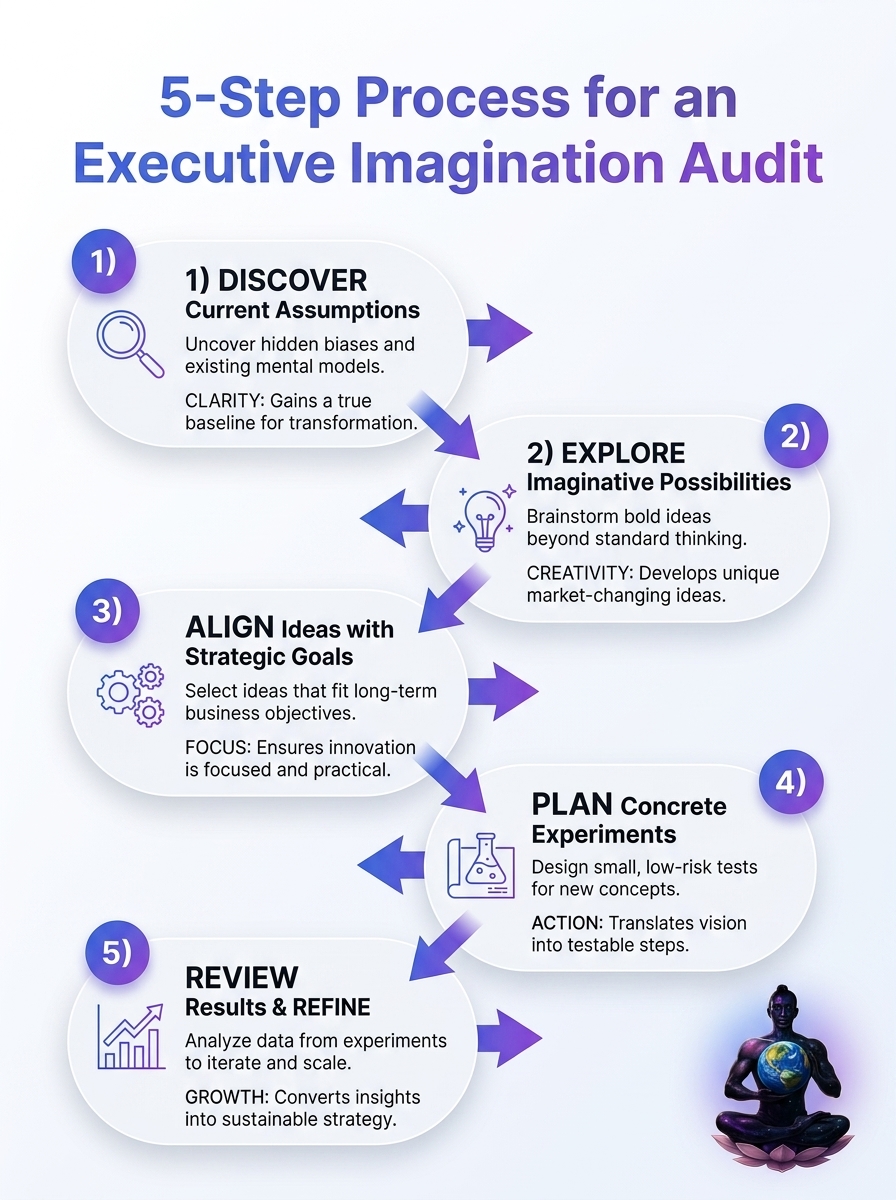
This infographic outlines a 5-step framework for conducting an executive imagination audit, helping leaders assess creative thinking and decision-making. Use it to guide strategic conversations and innovation.
The Bridge of Incidents: Neville Goddard Manifestation and Its Direct Application to Executive Leadership
Neville Goddard’s bridge of incidents manifestation principle is among the most practically useful concepts ever articulated for organizational leadership. It states simply: assume the feeling of the wish fulfilled, and a natural sequence of events will appear to bring that assumed state into your physical reality.
For an executive, this is not passive. It is the most demanding form of discipline available. You must hold a specific inner state, not just an idea, but a felt assumption, about where your company already is in its ideal form.
When a leader runs an Executive ‘Imagination Audit’, they are essentially asking: “Is my current inner state aligned with the end I claim to want?” If the answer is no, no amount of tactical effort will compensate. The bridge of incidents cannot form from a state of anxiety and doubt.
Goddard’s teachings, which we study in depth at True Cosmic, make clear that the God of scripture is your imagination. Every scriptural instruction about faith, prayer, and assumption is a psychological instruction for governing your own imaginal faculty. Executives who grasp this stop looking outward for permission and start building from the inside.
Did You Know?
85% of business leaders regret or question decisions they have made in the past.
Source: Deloitte / Oracle Study 2026
That 85% figure is a direct symptom of leaders whose inner state of consciousness at the moment of decision was not aligned with a clear, felt outcome. An Executive ‘Imagination Audit’ addresses this at the root. Regret is a signal that the imaginative faculty was not properly engaged before action was taken.
Best Executive ‘Imagination Audits’: The Five-Step Process We Recommend
We have worked with Neville Goddard’s complete body of teachings long enough to distill his principles into a repeatable audit structure. Here is what a serious Executive ‘Imagination Audit’ looks like in practice.
-
Identify Your Dominant Assumption
Sit quietly and notice the assumption you hold about your company’s trajectory right now, not your goal, but your felt belief. Write it down without editing it. -
Map the Gap
Compare that felt assumption to the outcome you say you want. The distance between these two states is your audit finding. Every strategy you build from the wrong assumption will reinforce the wrong result. -
Construct the End Scene
Following Goddard’s “Living in the End” principle, build a specific, sensory scene that would only occur after your desired outcome has already happened. This is not visualization for motivation; it is deliberate imaginal instruction. -
Apply the Revision Technique
Any past event or current conversation that reinforces a limiting assumption gets revised in imagination. You replay it as it should have gone. This reprograms the subconscious layer that governs decision-making. -
Track the Bridge of Incidents
Notice the events, meetings, and opportunities that arise in the days that follow. The bridge of incidents Neville Goddard manifestation model predicts that these will appear naturally once your inner state stabilizes on the assumed end.To learn more about Neville Goddard’s life and complete body of work, read our definitive guide: Neville Goddard — The Complete Guide.
How Executive ‘Imagination Audits’ Expose the Real Cause of Stalled Growth
Most organizations hire consultants to fix strategy, culture, or operations. The actual problem is almost always upstream of all three. The leader’s prevailing inner state is the operating system. Everything else is an application running on top of it.
When we look at chronic organizational stagnation through the lens of Neville Goddard’s teachings, the pattern is consistent. The leader has a stated goal and a felt assumption that contradict each other. Strategy fills the gap with activity, but activity directed by a conflicted inner state produces conflicted results.
An Executive ‘Imagination Audit’ stops that cycle. It surfaces the actual assumption governing decisions, not the one written in the annual report, but the one alive in the leader’s consciousness at 3am. That is the assumption doing the real work.
The Christ is the human imagination operating with full authority and discipline. When a leader learns to govern their imaginative faculty with that level of intentionality, their organization changes. Not because they worked harder, but because the inner broadcast changed.
Best Courses to Deepen Your Executive ‘Imagination Audit’ Practice
We built the True Cosmic Academy specifically to give serious practitioners the depth they cannot find in mainstream personal development. Every course below is directly relevant to conducting and maintaining an Executive ‘Imagination Audit’ over time.
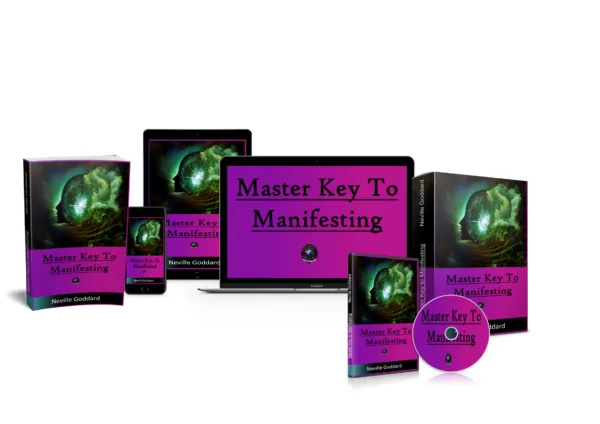
Master Key to Manifesting
This is our most comprehensive course on Neville Goddard’s complete manifestation methodology. Across 34 lessons and 19 quizzes, you will develop a working command of every imagination technique Goddard taught.
For an executive running regular imagination audits, this course provides the technical vocabulary and practical exercises needed to make the process precise, not approximate. Access the Master Key to Manifesting here.
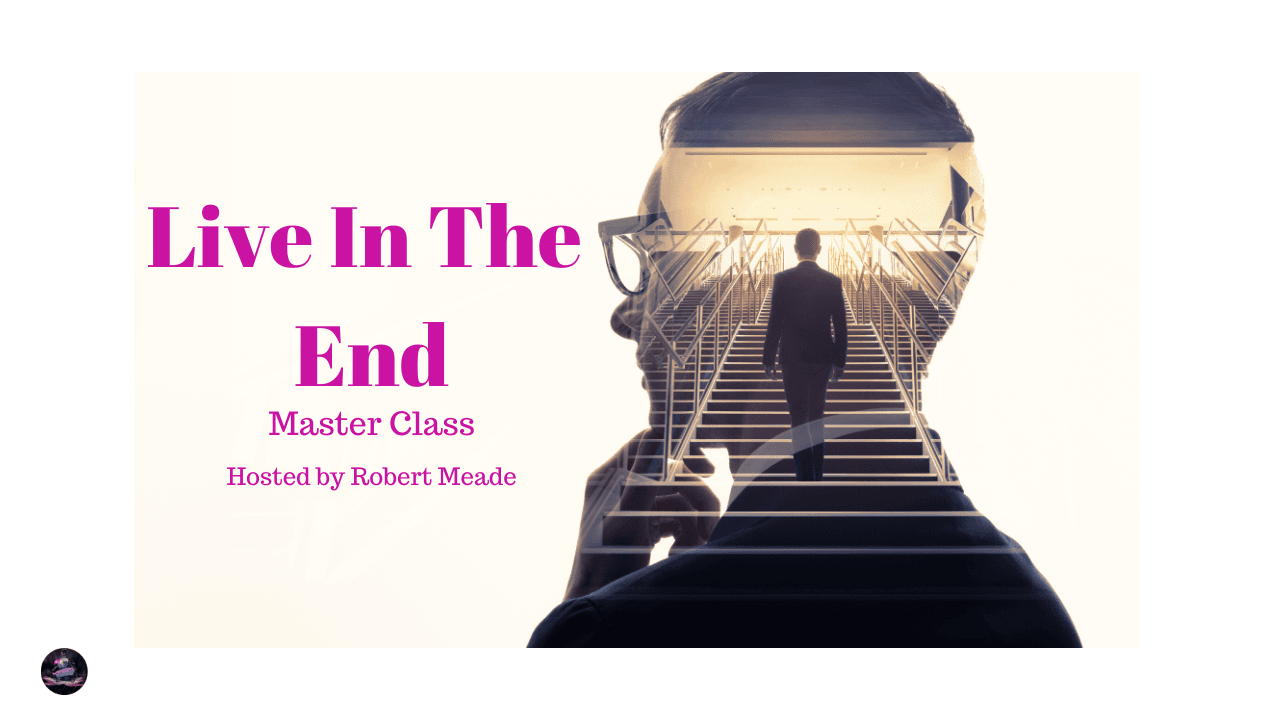
Live In The End Master Class
The “Living in the End” technique is the core operating principle behind every Executive ‘Imagination Audit’. This masterclass teaches it with the depth and precision it deserves.
You will learn how to construct, enter, and sustain the precise inner state that corresponds to your desired organizational outcome, not as a mental exercise but as a disciplined daily practice. Explore the Live In The End Master Class.

The Feeling Is The Secret Masterclass
The single most common failure point in any Executive ‘Imagination Audit’ is the gap between mental imagery and genuine feeling. This masterclass addresses that directly.
Neville Goddard taught that feeling is the secret because the subconscious mind responds to emotional tone, not intellectual intention. An audit that stops at identifying the problem without installing a new felt assumption has accomplished nothing. Access The Feeling Is The Secret Masterclass.
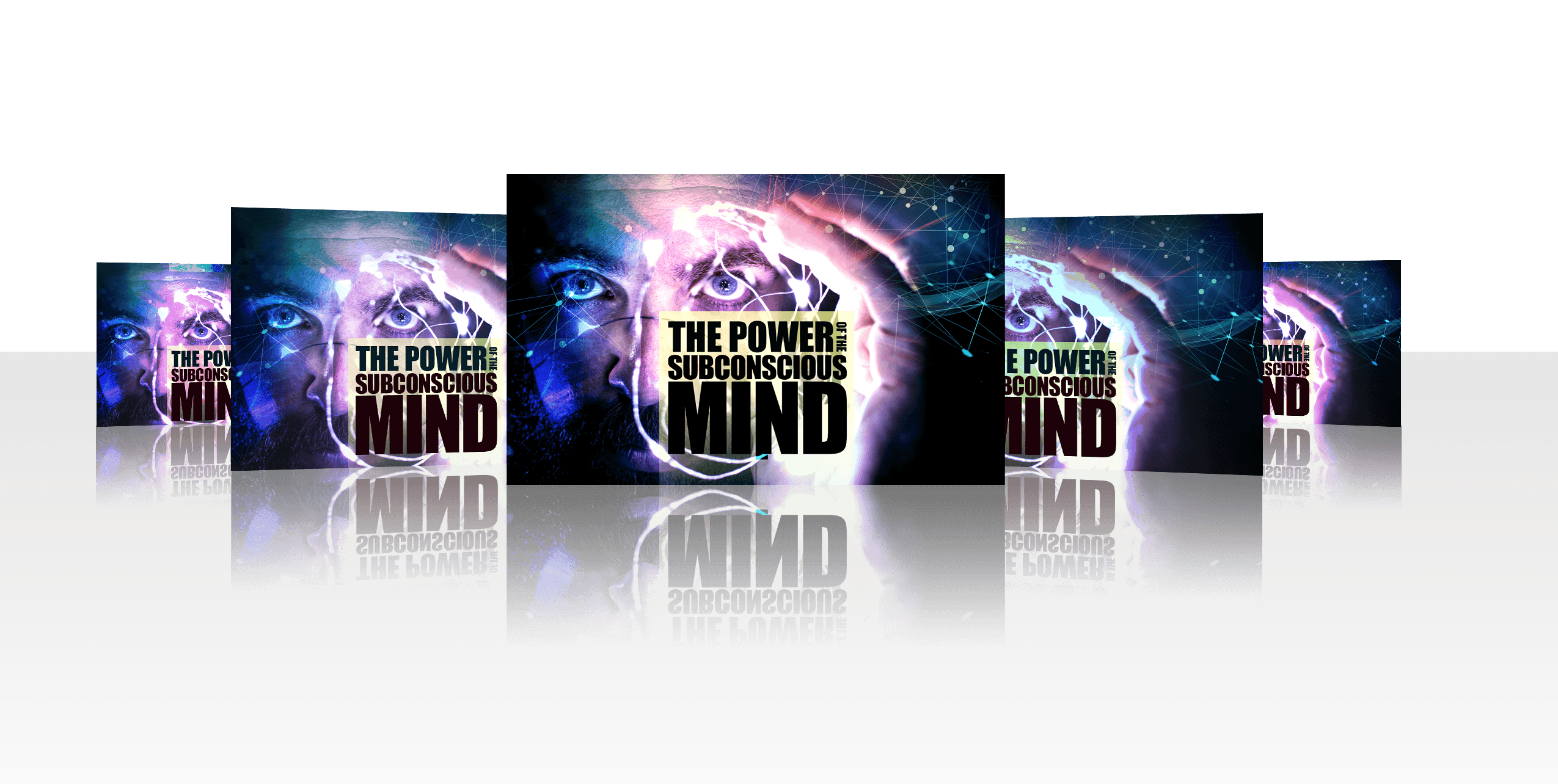
Power of Subconscious Mind
This course pairs Goddard’s imagination exercises with practical NLP techniques to help leaders reprogram the subconscious layer that runs beneath deliberate decision-making.
For executives whose audit reveals deep-rooted limiting assumptions, this is the course that does the heaviest remedial work. Explore the Power of Subconscious Mind course.
Power of Awareness: Book Study ($49)
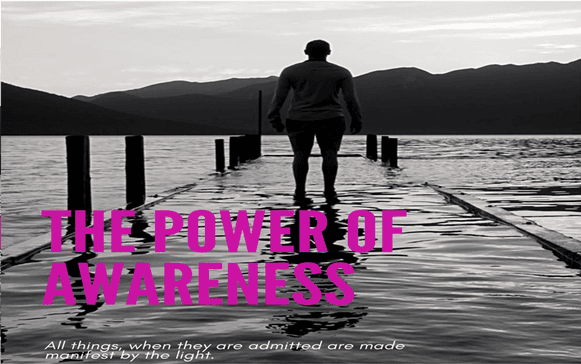
Goddard’s “The Power of Awareness” is the most important single text for any executive conducting imagination audits. This guided book study walks you through it with exercises and reflection frameworks built for practical application.
Awareness is where every audit begins. You cannot change what you cannot observe, and this course builds the observational precision that separates serious practitioners from casual readers. Start the Power of Awareness Book Study for $49.
Neville Goddard’s Fundamentals Crash Course ($149.99)
For executives who are new to Goddard’s body of work, this crash course is the fastest credible entry point. Eleven lessons, video tutorials, guided practices, and a certificate upon completion.
We designed this as a foundation course, not a summary. Every principle is taught with the precision needed to actually apply it inside a professional context. Start the Neville Goddard Fundamentals Crash Course for $149.99.
Executive ‘Imagination Audits’ and the AI Integration Problem Leaders Face in 2026
The data from 2026 is stark: only 5% of leaders report making great progress integrating AI into meaningful decision-making. The reason, from our perspective, is not a technology problem. It is an imagination problem.
AI systems reflect and amplify the strategic direction they are given. They cannot supply imaginative vision; they can only serve it. An executive whose inner state of consciousness is unclear or contradicted by fear and doubt will find that AI produces the same muddled, inconclusive outputs their own thinking produces.
An Executive ‘Imagination Audit’ solves this upstream. When a leader’s inner state is clear, felt, and consistent with a specific intended outcome, the directive they give to their teams and their AI tools is equally clear. The leverage multiplies.
Did You Know?
Only 5% of leaders say they are making “great progress” in integrating AI into meaningful decision-making.
Source: Deloitte Global Human Capital Trends 2026
The Christ, as the human imagination operating with authority, is the only faculty that can give AI a direction worth following. The God of scripture is your imagination, and no external tool replaces it. An Executive ‘Imagination Audit’ ensures that the imagination leading the organization is clear, deliberate, and aligned.
Personalized Coaching for Executive ‘Imagination Audits’
For leaders who want a guided, personalized imagination audit rather than a self-directed one, our True Cosmic Academy coaching program offers direct mentorship grounded in Neville Goddard’s complete teachings.
Founder Michael Sutherland built this coaching model from his own experience moving from sporadic results with mainstream approaches to consistent, tangible outcomes through disciplined imaginal practice. The consultation process begins with identifying the specific inner state assumptions driving your current results.
This is not general life coaching. It is precision-targeted imaginal audit work, applied directly to your leadership context and organizational goals. The Inner Awakening Cercle community provides ongoing accountability and practice reinforcement between sessions.
You can also explore the broader question of imagination and financial outcomes through our dedicated resource on how imagination creates material results, which provides context for the financial dimension of an imagination audit.
What Makes an Executive ‘Imagination Audit’ Different from Standard Leadership Assessments
Standard leadership assessments measure behavior, communication style, or competency frameworks. They are useful, but they address effect rather than cause.
An Executive ‘Imagination Audit’ goes deeper. It measures the quality, consistency, and emotional conviction of the inner mental activity producing those behaviors. Two leaders can display identical behavioral profiles and produce radically different results because their underlying inner states of consciousness differ.
Neville Goddard’s framework, which we teach as an integrated system across all True Cosmic Academy courses, treats the human imagination as the primary causal force in any leader’s reality. The audit is therefore primary. Everything else is secondary measurement.
For the serious executive who has tried conventional development tools and found them incomplete, an imagination audit framework built on Goddard’s teachings offers a level of precision and depth that mainstream approaches were never designed to provide.
Conclusion
Executive ‘Imagination Audits’ are not a productivity trend. They are a recognition of what has always been true: the inner state of consciousness a leader holds is the template from which their organization is built.
Neville Goddard spent four decades teaching that the God of scripture is your imagination and that the Christ is the human imagination claiming its authority over circumstance. The bridge of incidents Neville Goddard manifestation principle shows us that once the imaginal end-state is assumed with genuine feeling, the physical bridge builds itself through a series of natural, seemingly coincidental events.
Running a rigorous Executive ‘Imagination Audit’ is how you ensure the end-state you are broadcasting is actually the one you intend. We built the True Cosmic Academy and every course within it to give serious practitioners the tools to do exactly that, with discipline, with depth, and with results that are tangible rather than theoretical.
If you are ready to conduct your first formal Executive ‘Imagination Audit’, start with the foundational question of whether imagination creates reality and work forward from there. Everything is contained within. There is no need to look elsewhere for the source of your results.
Frequently Asked Questions
Q: What exactly is an Executive ‘Imagination Audit’ and how is it different from a mindset assessment?
A: An Executive ‘Imagination Audit’ is a structured diagnostic of the specific inner states, assumptions, and imaginal scenes a leader is consistently broadcasting, not a general mindset survey. Where mindset assessments measure attitude categories, an imagination audit identifies the precise felt assumption driving current organizational results and compares it to the intended outcome.
Q: How often should a CEO or senior leader run an Executive ‘Imagination Audit’?
We recommend a formal Executive ‘Imagination Audit’ at minimum quarterly, with a lighter daily check-in practice running continuously. Major transitions, strategic pivots, and periods of stalled growth all warrant an immediate audit, because these conditions almost always reflect a shift in the leader’s underlying inner state of consciousness.
Q: Is the bridge of incidents Neville Goddard manifestation concept relevant to corporate leadership?
Absolutely, and it is one of the most practically useful principles we teach. The bridge of incidents Neville Goddard manifestation model predicts that once a leader assumes a specific end-state with genuine feeling, a natural sequence of meetings, opportunities, and events will arise to bridge that state to physical reality. This is highly relevant to corporate leadership because it explains why inner alignment precedes external momentum.
Q: Can an Executive ‘Imagination Audit’ actually improve financial results?
Yes, because financial results are downstream of decisions, and decisions are downstream of assumptions held in the inner state. An imagination audit that identifies and corrects a limiting assumption about the company’s growth trajectory changes the decisions being made from that assumption forward. The God of scripture is your imagination, and every result your organization produces reflects the quality of what is held there.
Q: How long does it take to complete a proper Executive ‘Imagination Audit’?
A basic self-directed Executive ‘Imagination Audit’ using our five-step framework takes two to four focused hours. A full audit supported by our True Cosmic Academy coaching program, including subconscious revision work and bridge of incidents tracking, typically spans four to six weeks of structured practice before stable results are visible.
Q: Do I need prior knowledge of Neville Goddard’s teachings to benefit from an Executive ‘Imagination Audit’?
No prior knowledge is required to begin, but depth of understanding dramatically improves results. We recommend starting with our Neville Goddard Fundamentals Crash Course ($149.99) alongside your first formal imagination audit so you have the conceptual framework to interpret what you discover and the practical tools to act on it.
Q: Why do so many leadership development programs fail to address imagination directly?
Because mainstream leadership development focuses on behavior as the primary lever for change, and behavior is a downstream effect of inner state. An Executive ‘Imagination Audit’ addresses causality directly: it targets the imaginal assumptions that produce behaviors, culture, and results, which is precisely why it produces changes that behavioral training alone cannot achieve.


Michael Sutherland is the founder of Truecosmic, a global platform dedicated to Neville Goddard’s teachings and the Law of Assumption. Passionate about empowering individuals through conscious creation, Michael blends esoteric wisdom with practical insight to help people transform their lives from within.















0 Comments